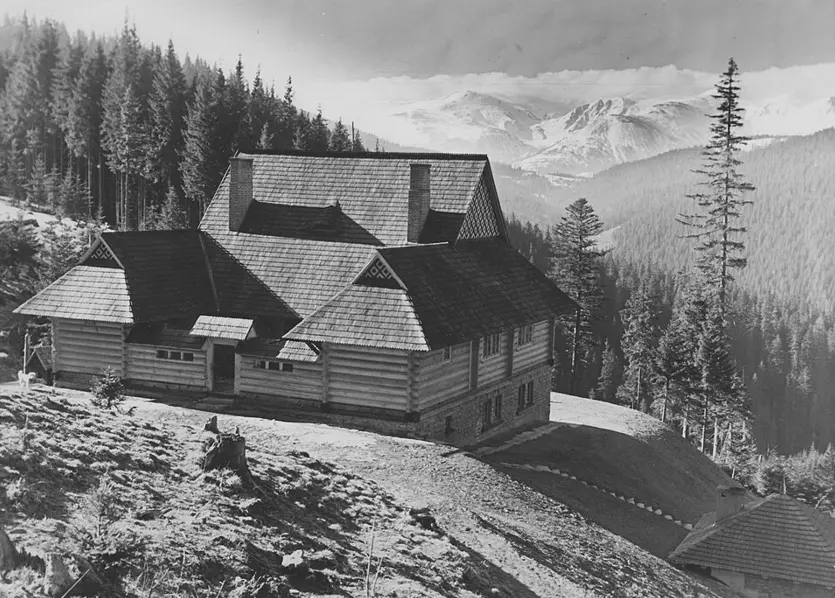
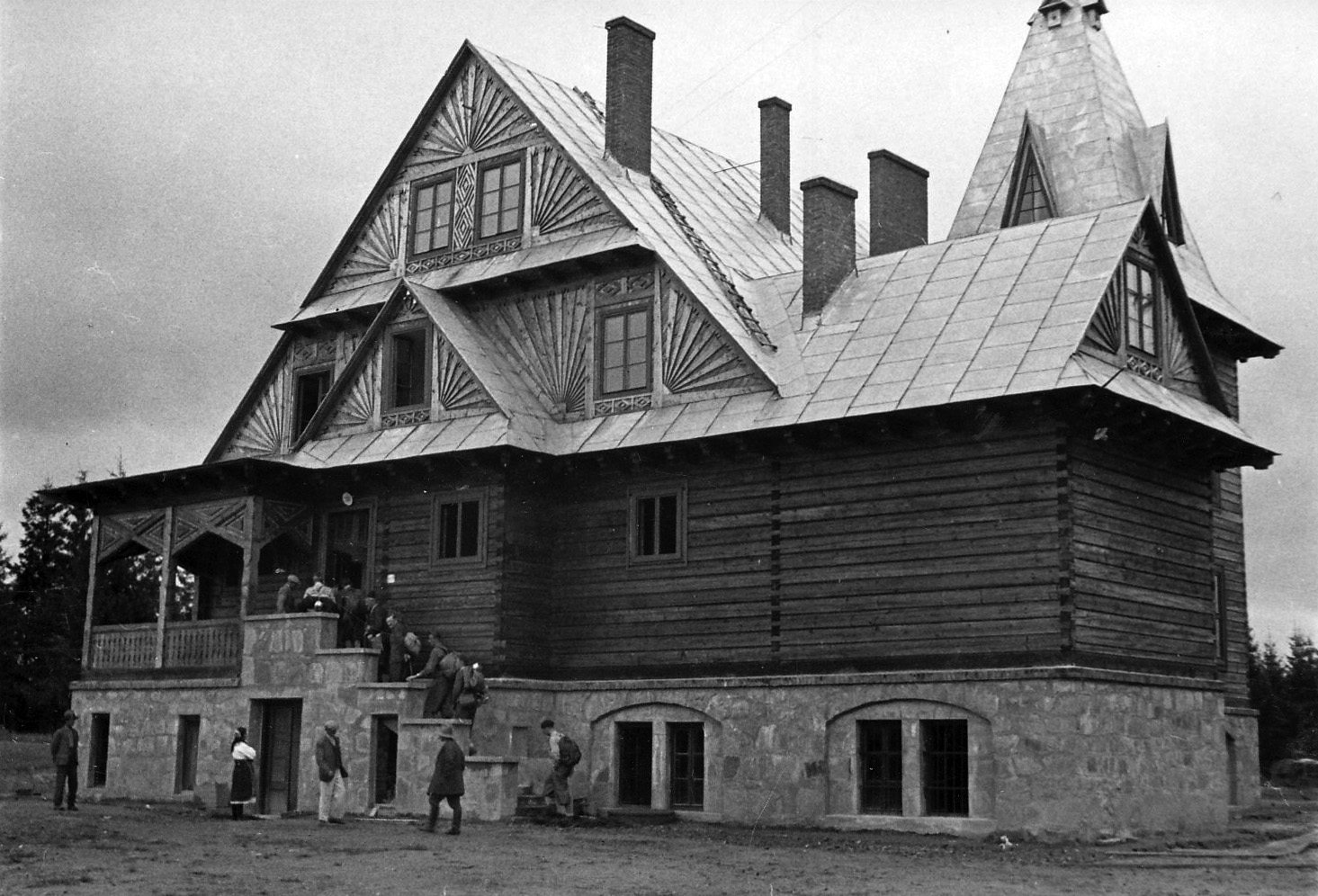
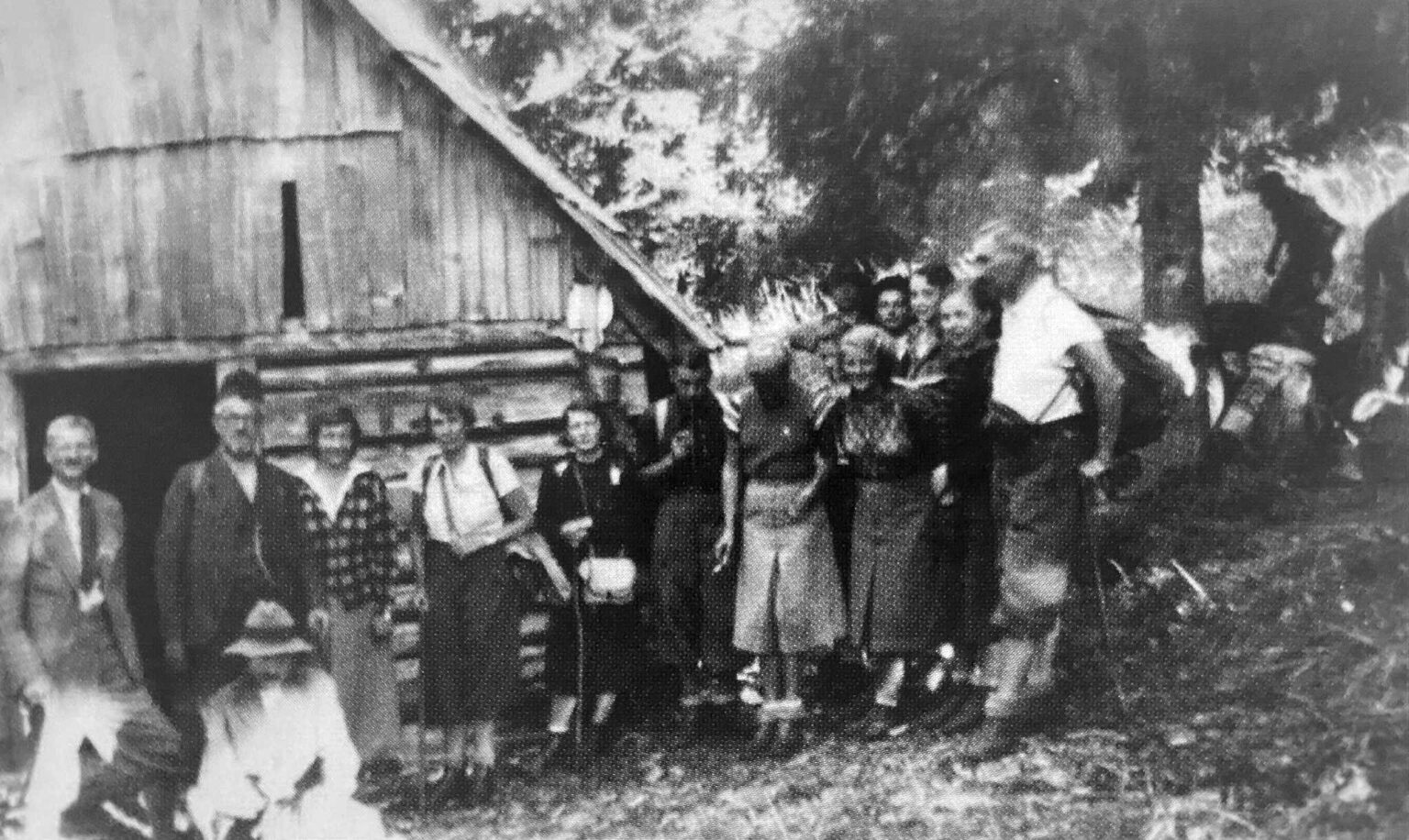
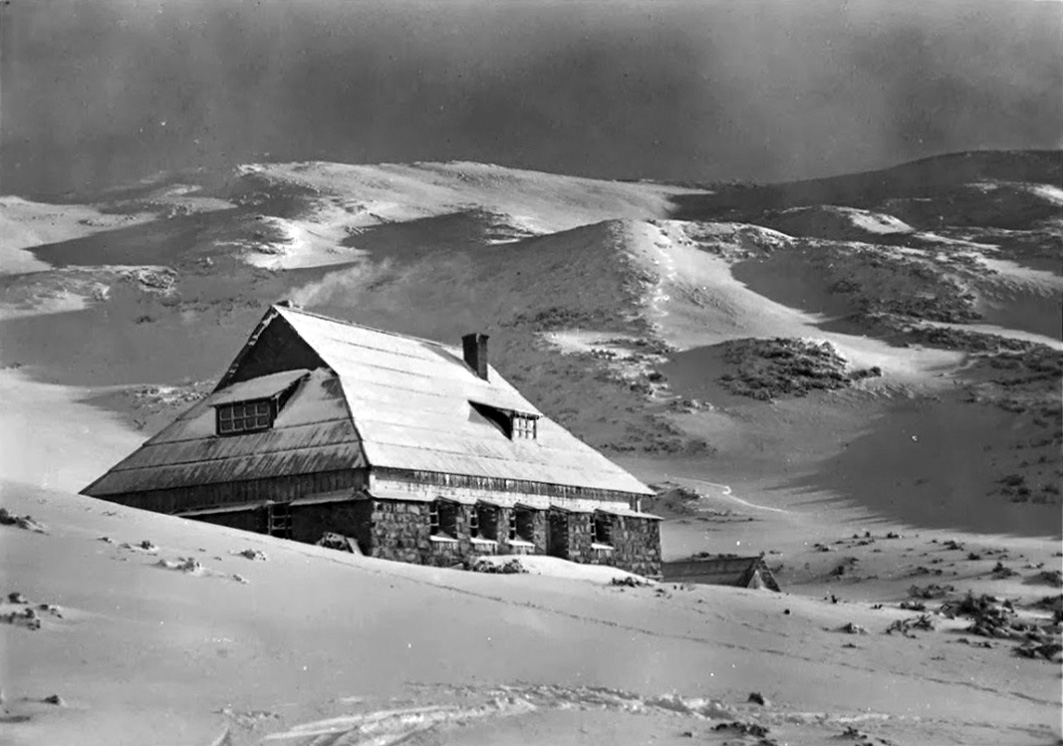
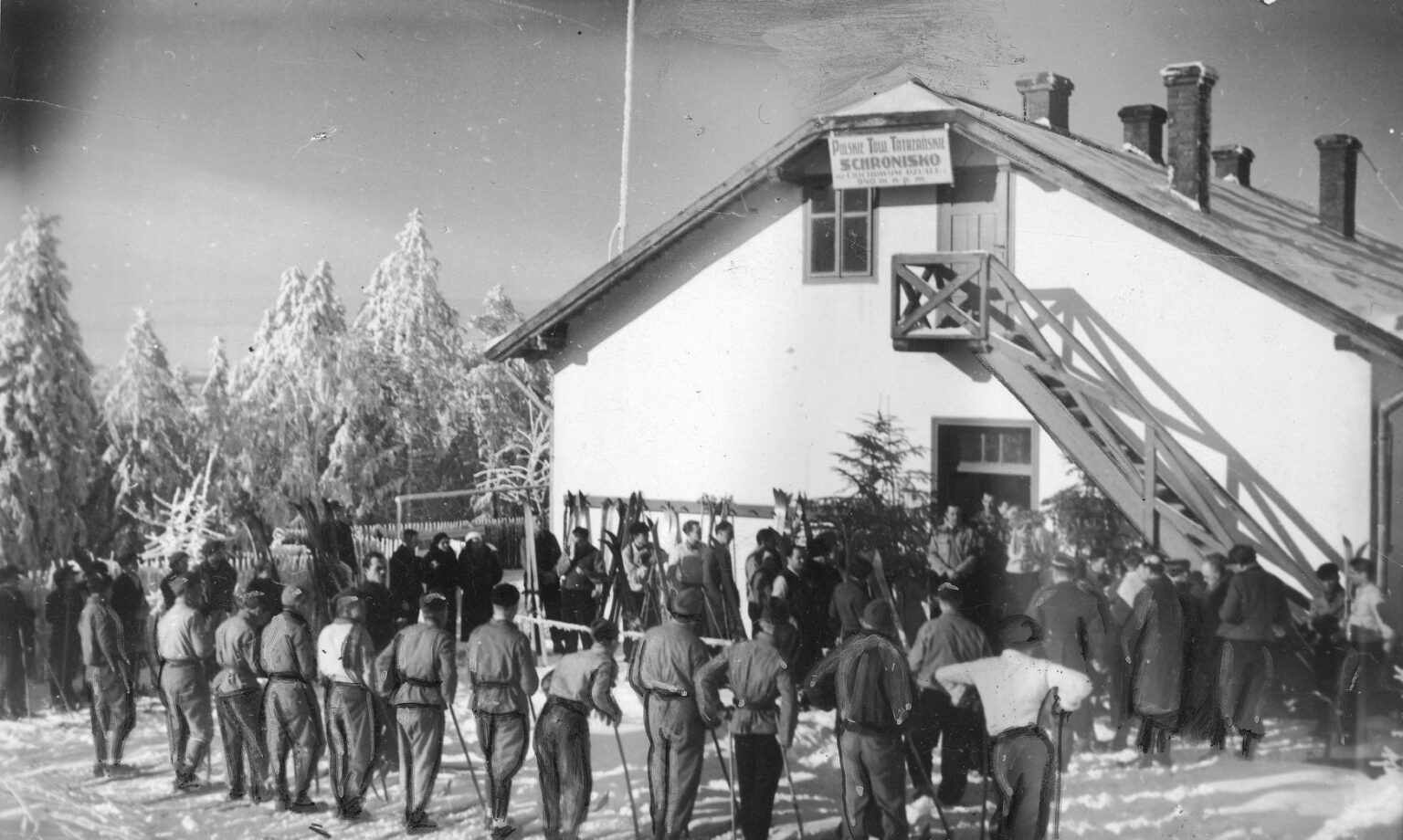
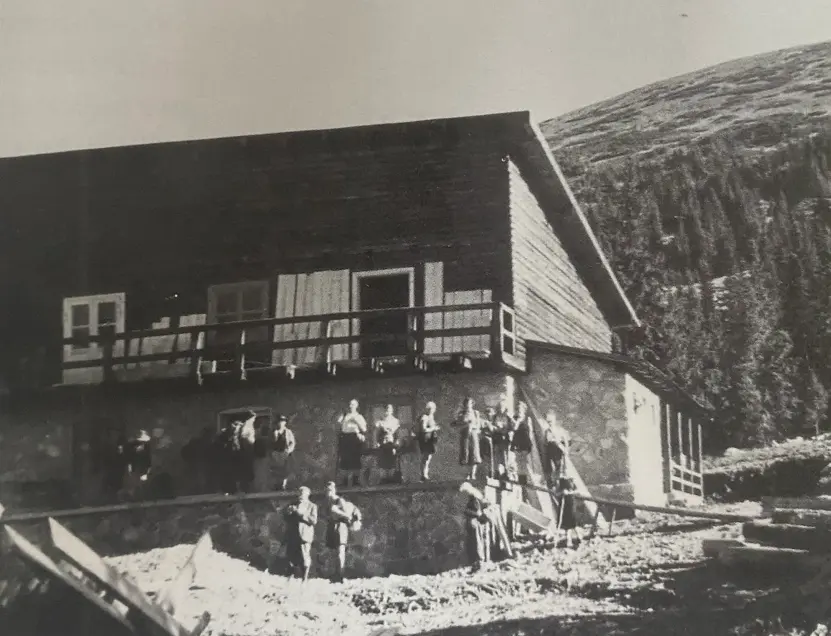
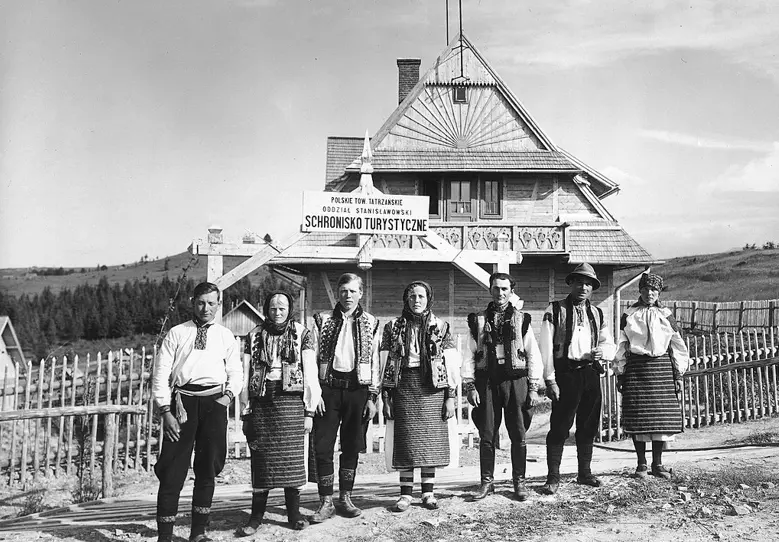
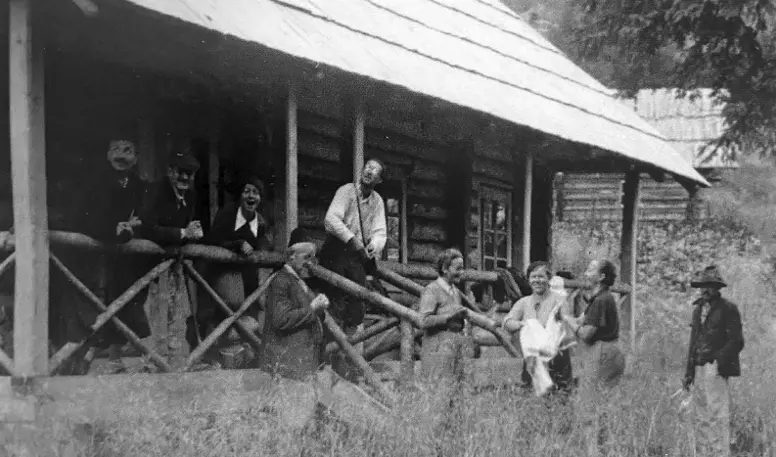
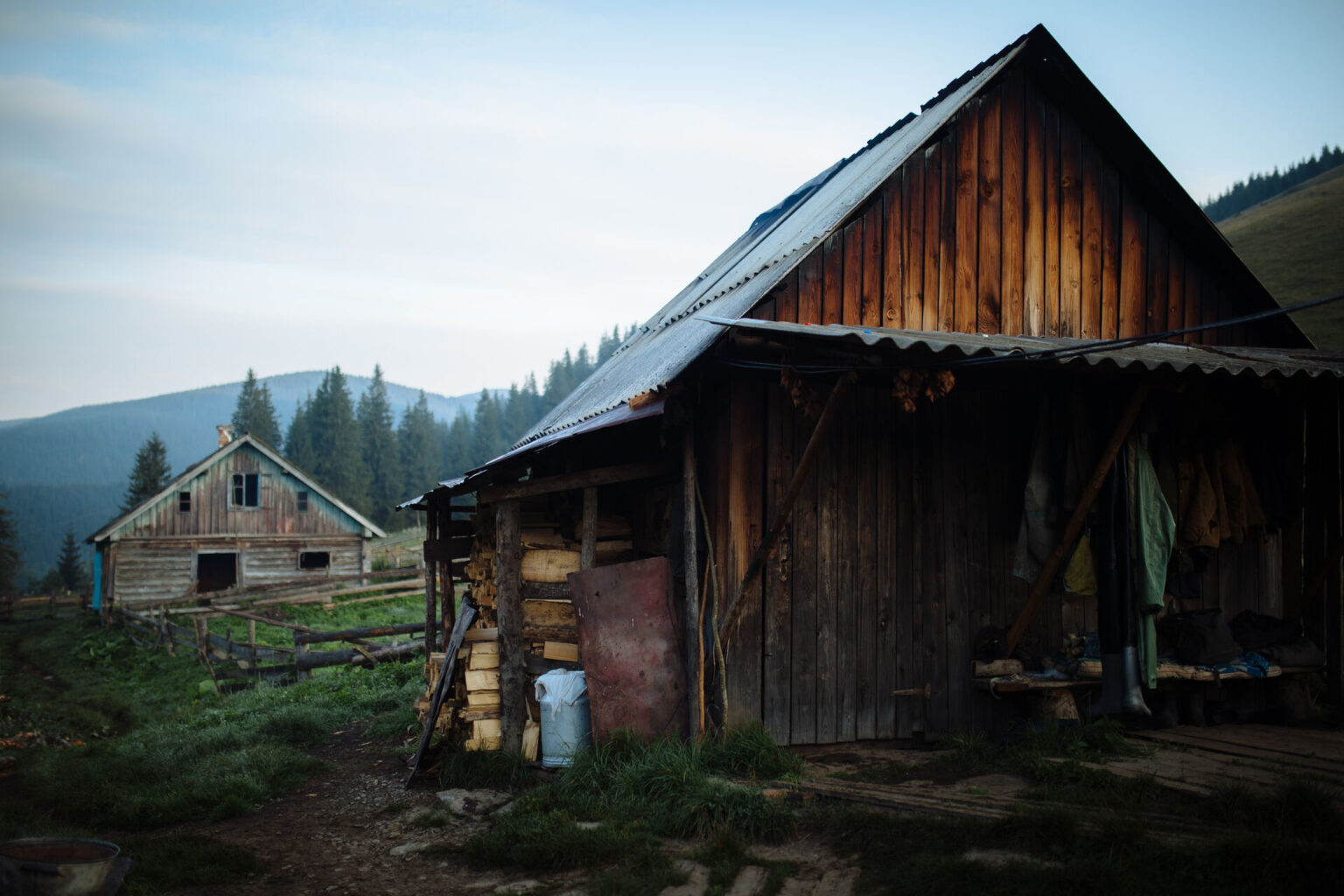
What matters most to me is that a shelter was never just a building. It was often associated with a particular person. Many shelters had live-in caretakers. You came not just to a house but to a host, someone who would greet you, help you, feed you, and tell you stories. It would be wonderful if modern shelters could come alive in the same way.
Ludwik Zemblich once lived below Mount Pip Ivan. People knew him and came specifically to see him. The tourist shelter in Vorokhta was looked after by Jan Perkatiuk, who had previously run a similar house in Zhabie (today’s Verkhovyna). Caretakers were very often married couples. For example, a shelter called the ‘Chornohora Homestead in Zhabie’ was run by Jan and Karlina Lutskikh. It’s like the difference between a faceless hotel and a place where people know your name. There’s a hotel, and then there’s ‘Mrs Maria’s’, where Mrs Maria will make her stuffed cabbage rolls, chat with you in the evening, and sit with you by the fire. People come back not for the walls but for the atmosphere. Hosts like these were the keepers of tourist culture.
There were other traditions too. In Europe, for example, travellers carried alpenstocks, special walking sticks decorated with metal badges from different mountains and places. My museum has an alpenstock with hardly any space left on it. Back then, one look at someone’s stick told you exactly where they had been: lots of badges meant an experienced traveller, two or three meant a beginner. Today, fridge magnets have taken their place.
Shelters had their own customs as well: travellers left matches or salt for the hosts, and in many places people collected matchboxes from different regions. Another feature of the time was that society was much more divided by nationality. Some shelters were visited mostly by Poles, others by Ukrainians. The level of comfort may even have differed depending on the clientele.
In the Verkhovyna area there was Teofil Kysilevsky, a head teacher and one of the founders of the region’s tourist movement. He hosted tourists at his school. The guestbook from his shelter has survived and has even been republished. It’s fascinating to read entries by young people who travelled the Carpathians back then and later became prominent figures in Ukrainian culture.