The architecture of choice: how Carpathian Mountain shelters help protect nature

29.10.2026

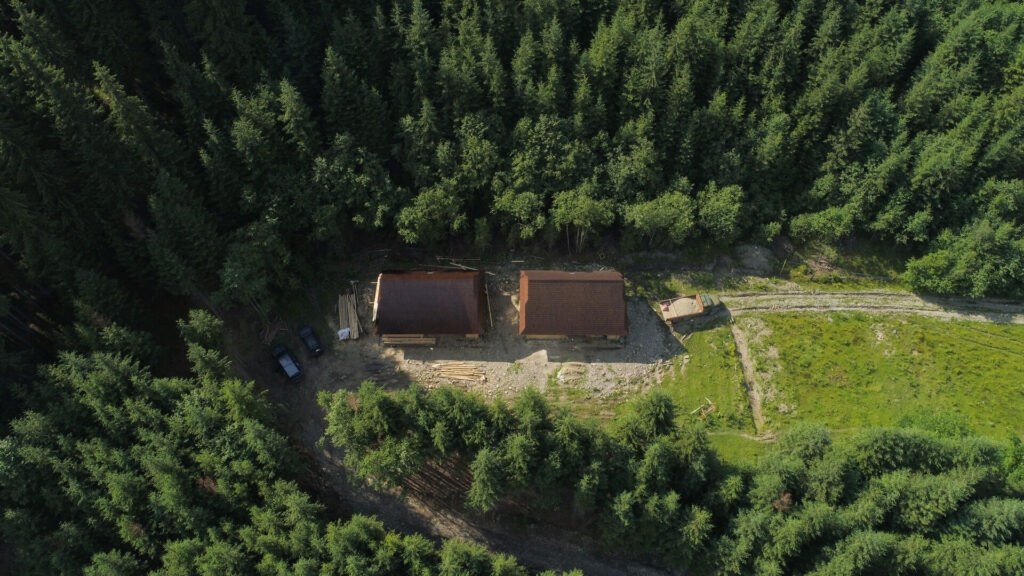
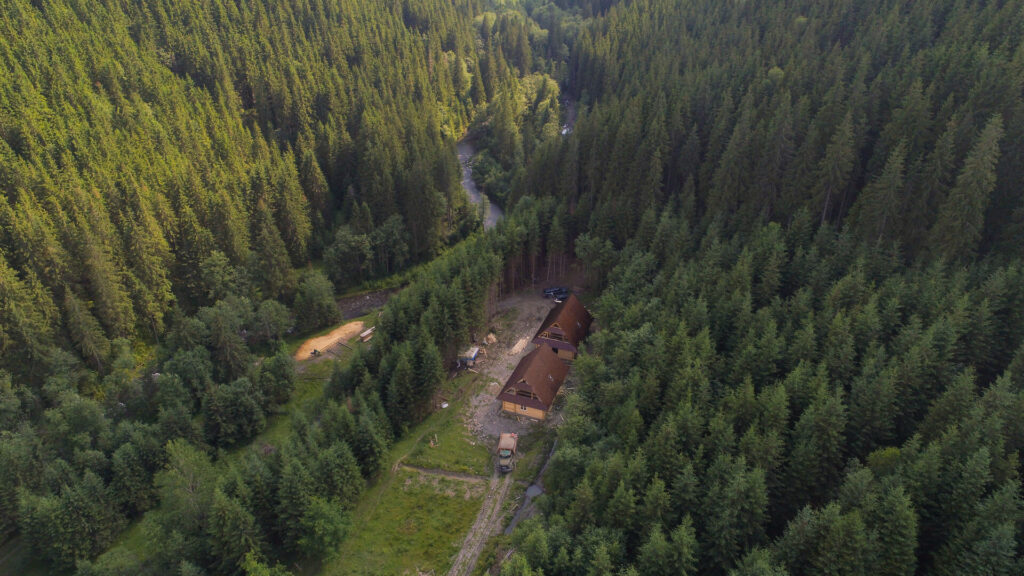
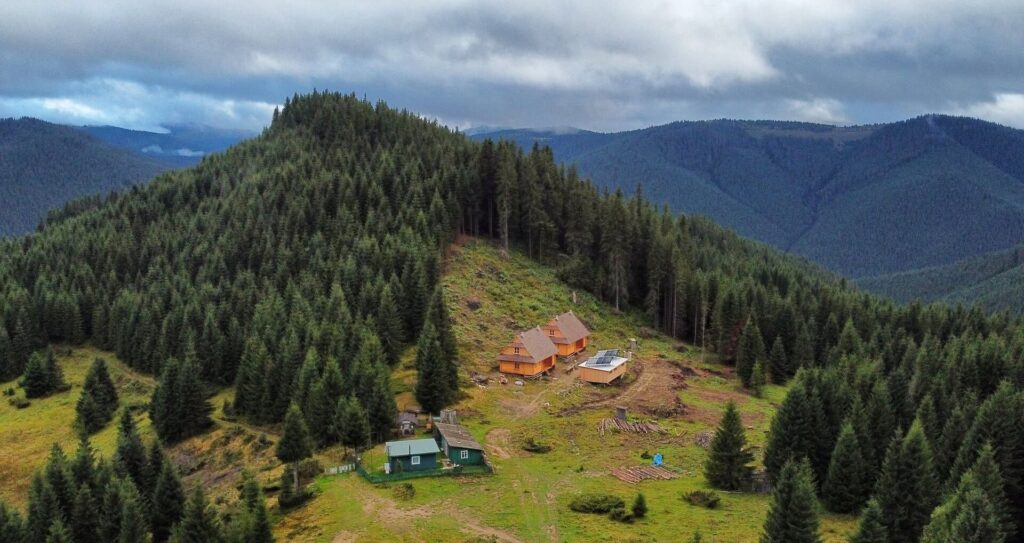
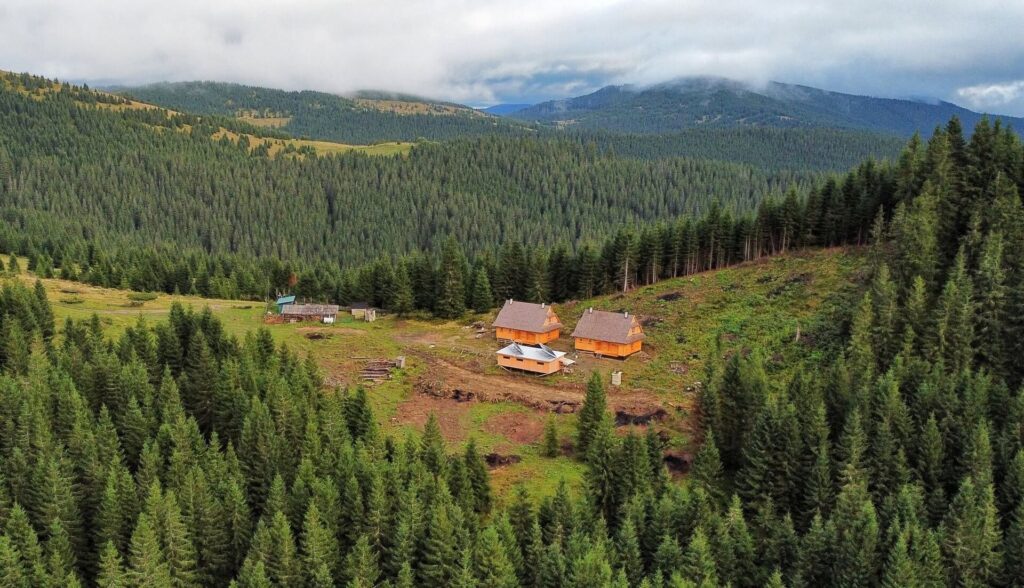
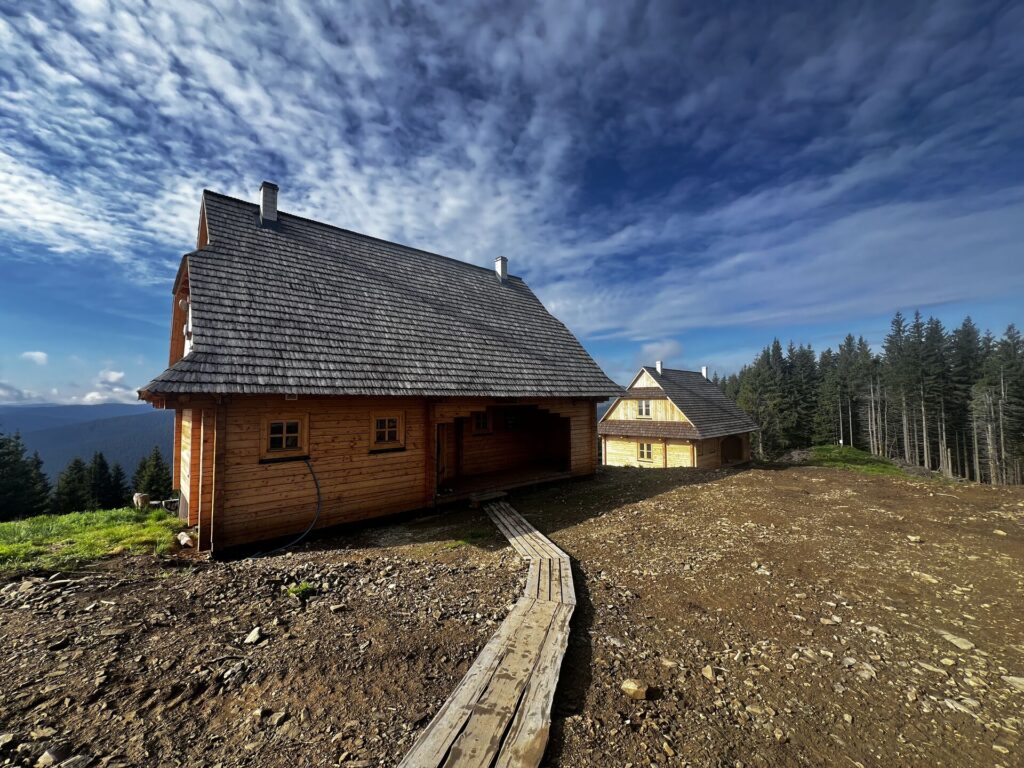
The Frankfurt Zoological Society (FZS) has built six houses in Verkhovyna National Nature Park, in Ukraine’s Carpathian Mountains. They stand in pairs in three of the park’s management areas, known as Nature Conservation Research Units (NCRUs). At each site, one house accommodates park staff and the other hosts researchers and, in the future, visitors to the park. Over time these houses will form a network of mountain shelters that continues the long tradition of Carpathian refuges and, above all, helps the park protect its land.

Iryna Burbylo, who leads organisational development and protected-area infrastructure at FZS Ukraine, explains what the buildings are for, how they were designed, and why infrastructure matters in protected areas, in her own words.

First and foremost, these buildings are places to work. We did not set out to build tourist shelters alone. We wanted to give the park’s conservation and research units a base. Verkhovyna National Nature Park is large and mountainous, and much of it lies far from the park’s central office. Staff work on a rotational basis, so they need somewhere to work, sleep, and stay for the duration of each shift.

Iryna Burbylo

Iryna Burbylo

[Потрібно додати: Карта за нанесеними усіма трьома об*єктами та окреснено територію Верховинського]

The park is divided into five NCRUs, and we have already built houses in three of them. Each site has two similar buildings. The first is only for the park staff who work there. The second can accommodate researchers, park guests, and travellers. The project is most advanced in Perkalaba, where both the Verkhovyna and Cheremosh national nature parks have units.

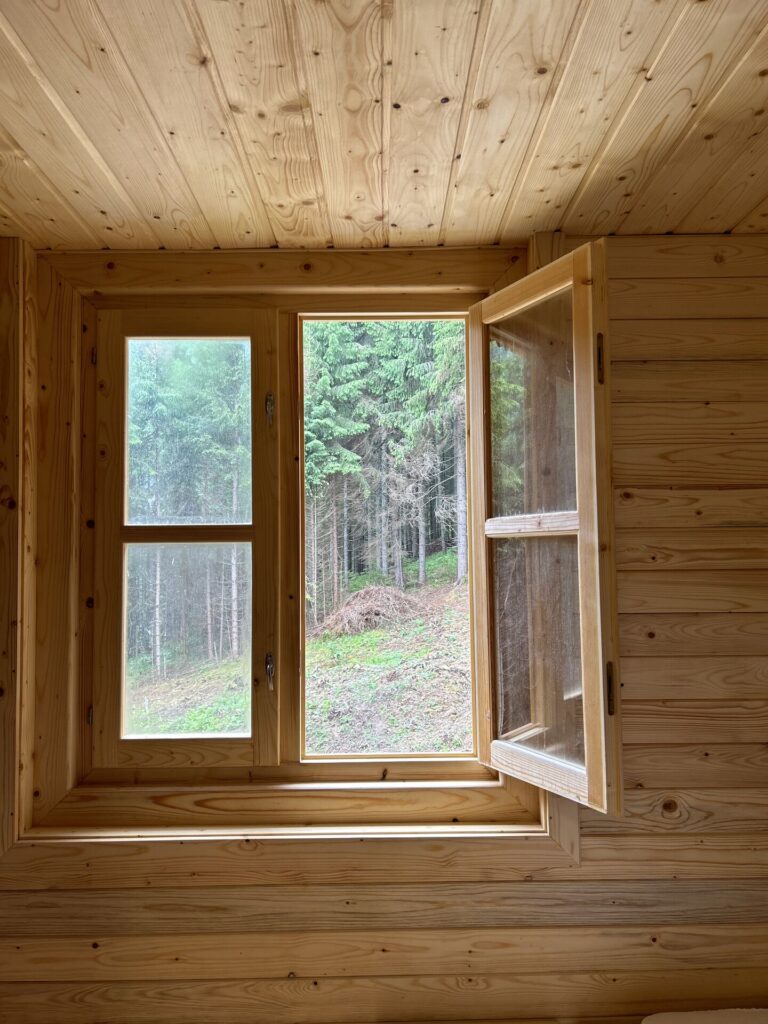
The architecture of choice: how Carpathian Mountain shelters help protect nature. Photo #1
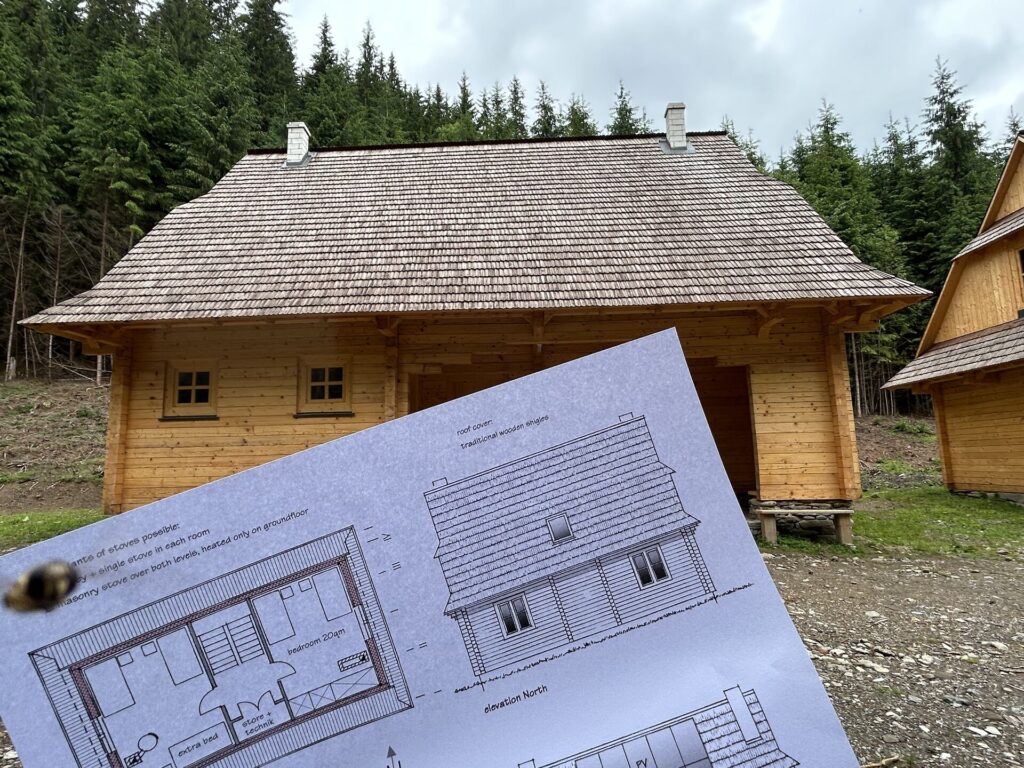
The architecture of choice: how Carpathian Mountain shelters help protect nature. Photo #2
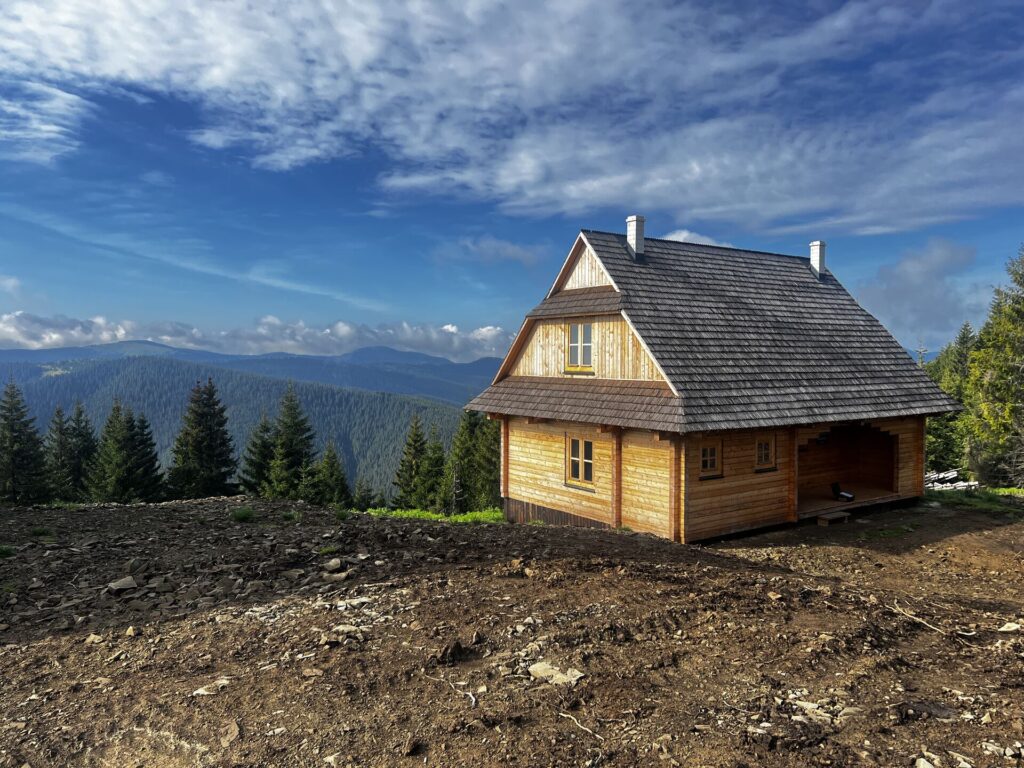
The architecture of choice: how Carpathian Mountain shelters help protect nature. Photo #3

In the long term, we would like to see the same infrastructure in all five of Verkhovyna National Nature Park’s NCRUs, and beyond. These buildings are needed to give staff better working conditions and to create a network of safe places in the mountains for rangers, researchers, and travellers.

Not tourism for tourism's sake, but managing visitors

Mountain shelters are certainly convenient for hikers, but on protected land they serve a larger purpose than tourism: they help protect nature and manage where visitors go.

In many European mountain regions, tourism is more tightly regulated: people follow networks of well-marked trails and stay overnight in designated areas. In Ukraine, such networks are still developing, but here, too, infrastructure can help travellers follow the rules in protected areas.

When a route has a marked trail and a place to rest or spend the night, it is much easier for hikers to stay within permitted areas. With a clear and comfortable option available, they are less tempted to pitch a tent in a random spot, wander off the trail or trample sensitive habitats.

I call this a kind of “architecture of choice”. Rather than simply telling visitors what is allowed and what is forbidden, we create conditions in which the option that is best for the environment becomes the natural one to choose.

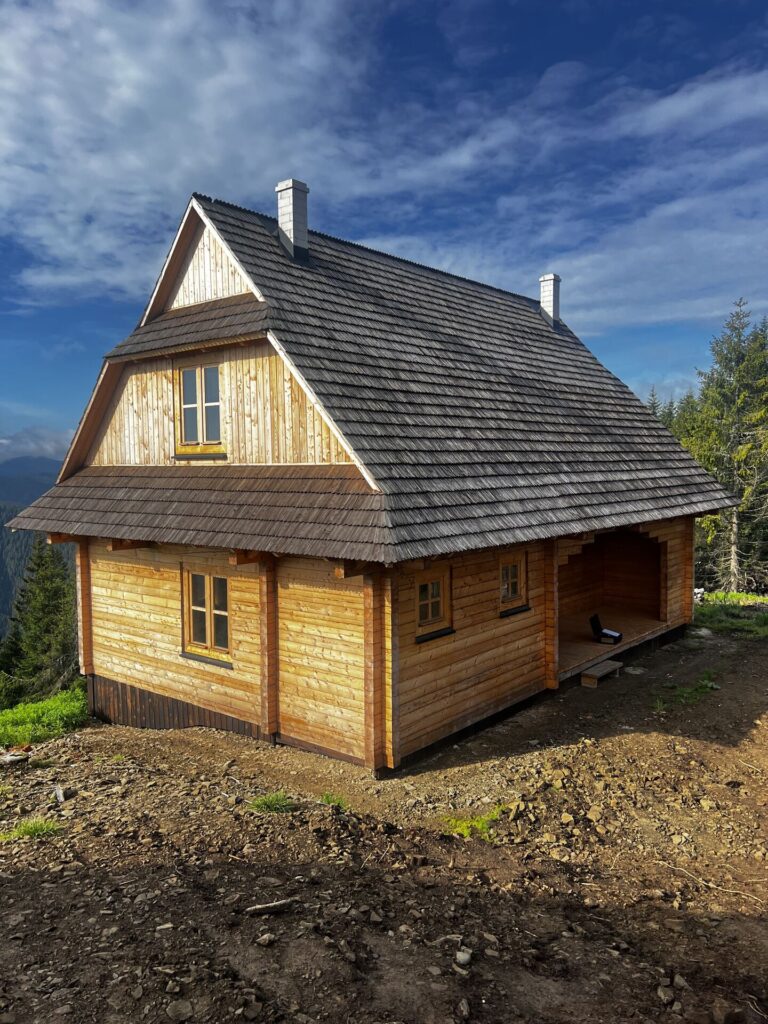
The architecture of choice: how Carpathian Mountain shelters help protect nature. Photo #4
The architecture of choice: how Carpathian Mountain shelters help protect nature. Photo #5

In effect, infrastructure shows visitors which places are open, where they can stop, which routes are worth taking, and where they should not go. It is one of the main tools for managing protected areas and the people who visit them.

Shelters are not the only infrastructure that works this way. Visitor centres, marked trails, viewing platforms, and equipped rest areas also offer alternatives to activities that can harm nature. Instead of roaming wherever they like or riding all-terrain vehicles, visitors can follow an interesting route, learn more about the park, and see its most remarkable sites with as little disturbance to wildlife and habitats as possible.

Architecture that respects tradition

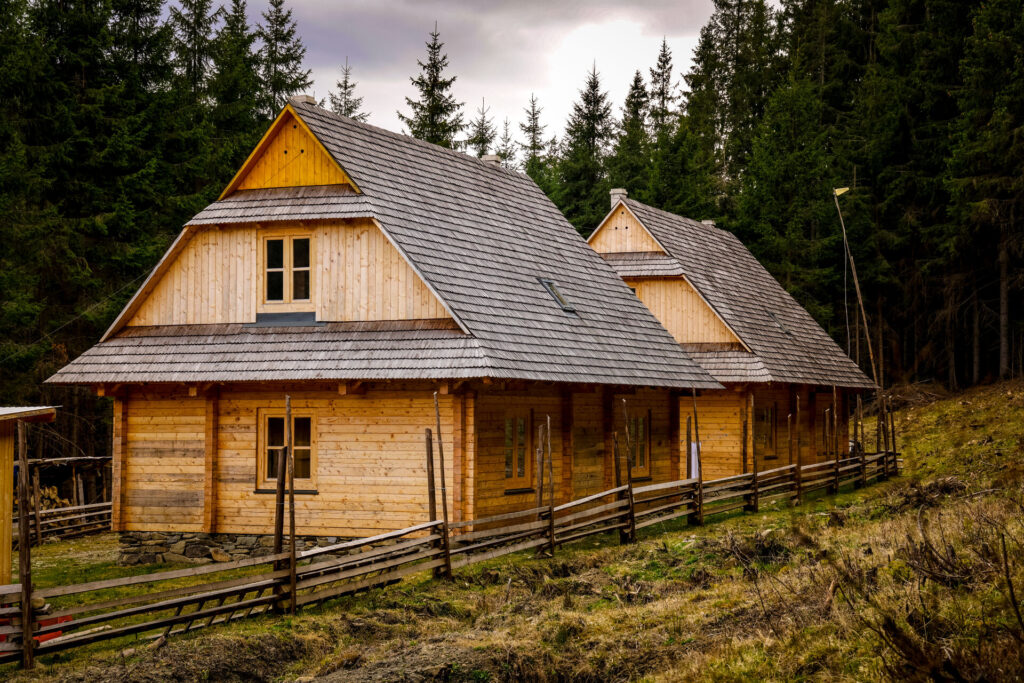
All six houses in Verkhovyna National Nature Park were built to a single design. They look almost identical, although some details were adapted during construction to suit each site.

The architectural concept was developed in collaboration with Yaroslav Zelenchuk, an expert on the Hutsul region (the homeland of the Hutsul highlanders of the Ukrainian Carpathians), and German architect Jan Hüselmann, who spent many years working on projects in the Romanian part of Maramureș, a mountain region that straddles the Ukraine–Romania border. Both sides share architectural traditions, so Jan was already familiar with their characteristic forms and materials.

Together, Jan and Yaroslav studied the region’s buildings, consulted books and historical sources, and looked at many variations of traditional mountain houses. The result is a modern design that draws on local architecture.

The architecture of choice: how Carpathian Mountain shelters help protect nature. Photo #6
The architecture of choice: how Carpathian Mountain shelters help protect nature. Photo #7

We did not try to copy any particular old house. What mattered more was keeping familiar proportions and using wood, shingles, and other natural materials so that the new buildings would feel at home in the Carpathian landscape.

The locations were also chosen with the history of mountain shelters in mind. Because of land-use, technical, and logistical constraints, the new buildings could not always stand exactly where the old shelters once did. Still, the connection to the historic network of refuges remained important throughout planning.

The architecture of choice: how Carpathian Mountain shelters help protect nature. Photo #8
The architecture of choice: how Carpathian Mountain shelters help protect nature. Photo #9
The architecture of choice: how Carpathian Mountain shelters help protect nature. Photo #10

Initially, the plan was to prepare materials and build on site, largely by hand. For remote high-mountain locations, however, this would have been too complicated and time-consuming. Instead, the wooden elements were made in a carpentry workshop. Each house was designed in full, and its parts were cut and test-assembled in the workshop to check the fit. The structure was then taken apart, transported to the site, and reassembled there, almost like a giant wooden construction kit.

Particular attention was paid to materials. The roofs are covered with wooden shingles, and the gaps around the windows were sealed with hemp fibre rather than spray foam. Hemp-based insulation was used in the walls, and the wood was treated with natural finishes instead of harsh varnishes.

Continuing a culture of responsible mountain travel

When a visitor has a marked route and a place to spend the night, they interact with nature differently. They have less reason to set up camp wherever they like, cut wood for a fire, enter vulnerable areas, or leave behind makeshift campsites. That is why the return of mountain shelters is more than the restoration of tourist infrastructure. It also harks back to a culture of treating nature responsibly that is still very much alive today in places such as the Austrian or German Alps or the Italian Dolomites.

Shelters can also bring the park additional income to support its work. But their value goes much further: they help build a culture of responsible tourism, keep visitors on established routes, and reduce pressure on sensitive natural areas.

Many people assume that a protected area is completely closed off and that visitors are not allowed to do anything there. In fact, national parks are a type of protected area specifically designed to accommodate people, which is why they are divided into zones with different rules. Access to the most ecologically valuable areas may indeed be restricted, but other zones are intended for recreation, environmental education, and visits. The park’s task, then, is not simply to impose bans but to show people how to engage with the landscape: where to walk, where to stop, what is worth seeing, and which places should be left in peace.

This is exactly what signs, marked trails, visitor centres, rest areas, and shelters are for. The clearer the infrastructure, the fewer rules are broken out of ignorance. It will not stop people who deliberately harm nature, but it will make it easy for those who are willing to follow the rules to do so.

The COVID-19 pandemic, and later Russia’s full-scale invasion of Ukraine, have made it especially clear how important protected areas are, not only for domestic tourism but also for people’s recovery and wellbeing. They are islands of stability: places to find comfort, quiet, and a connection with the natural world.

That is why our task is not to fence these areas off from people but to help people enjoy them with care. The NCRU houses in Verkhovyna National Nature Park are part of this approach. They help park staff care for and protect the area, provide a base for researchers and may eventually become shelters for travellers. In this way, modern conservation infrastructure gradually continues the story of Carpathian shelters.
Plan your trip in the Carpathians

A map of shelters for a safe journey!